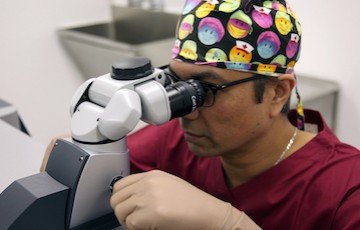
Our Surgeon


BOOK A CONSULTATION
or call our team: 01204 387467

2 YEARS 0% INTEREST FREE CREDIT
FIND OUT ABOUT OUR EASY PAYMENT PLANS FOR LASER EYE SURGERY
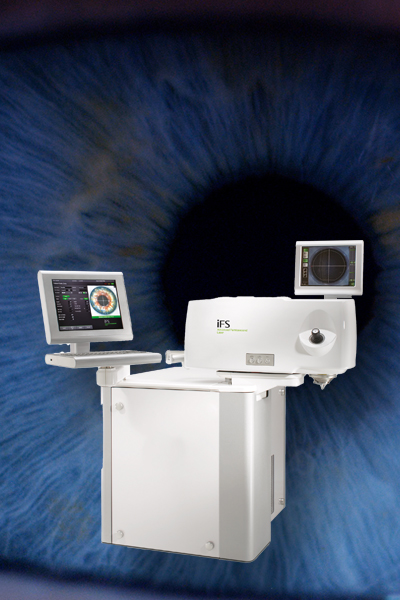
ALL-LASER LASIK
THE IFS FEMTOSECOND LASER BY JOHNSON & JOHNSON. DELIVERING GREATER PRECISION AND PREDICTABILITY.

LASER EYE SURGERY FOR JUST £9.55 PER MONTH
FIND OUT ABOUT OUR EASY PAYMENT PLANS
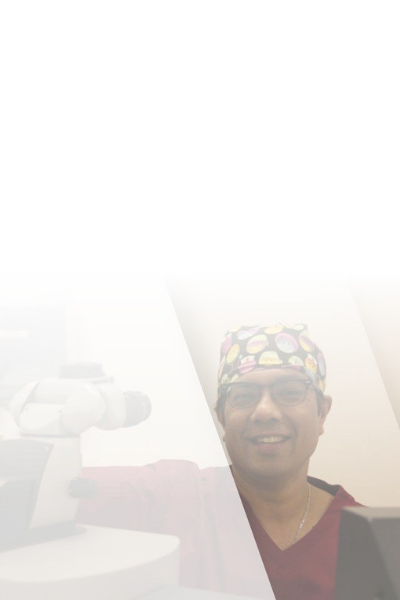
BOOK YOUR CONSULTATION
WITH THE SURGEON WHO WILL PERFORM YOUR LASER EYE TREATMENT

100% OF PATIENTS WOULD RECOMMEND VISUALASE
ACCORDING TO OUR MOST RECENT SURVEY

REFER A FRIEND FOR LASER EYE SURGERY
AND RECEIVE A LOVE2SHOP GIFT VOUCHER
OVER 50,000 EYES & COUNTING
If you’re interested in laser eye surgery, you’ve probably come across many different laser procedure terms as you research options. Sorting through the information and understanding the details of each procedure can be confusing. LASIK is the most common and familiar of all laser procedures available, but did you know there are different kinds of LASIK? The most advanced technology is All-Laser LASIK and is available here at Visualase.
We understand that having laser eye surgery is a big decision for you, and know that you will have questions about your suitability and the treatment itself. We have over 21 years experience in delivering clinical excellence and we are here to guide you through the process every step of the way.
As a private independent clinic, we provide extremely high levels of customer service and personal attention. No wonder over 100% of our patients would recommend us to family and friends. See our latest patient survey here.
Our doctors have a wealth of experience having performed over 50,000 procedures. Every patient benefits from having their initial consultation with their own treating doctor. This valuable time with your doctor is surprisingly rare and many other clinics do not offer this. It is very reassuring to meet your doctor in advance and have your questions answered. Our unique blend of the latest technology, surgical skill and patient care are second to none.
Imagine waking up with clear vision every day. Imagine being able to enjoy your sports, hobbies and holidays without the hassle and inconvenience of glasses and contact lenses. With laser eye treatment from Visualase this can be a reality.
So, if you’ve been considering having laser eye correction, now is the time to book your consultation with your doctor and get a brighter outlook with Visualase.
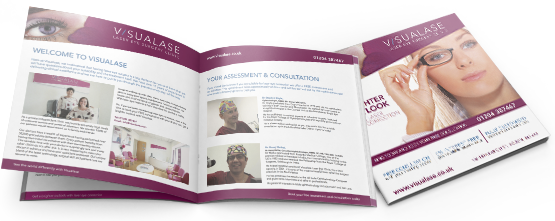
Take a look at Our Brochure
YOUR LASER EYE DOCTOR
Our doctor is an expert in laser eye correction and uses the iFS Femtosecond Laser to create a corneal flap and the Wavefront treatments delivered by the SCHWIND AMARIS to correct your prescription.
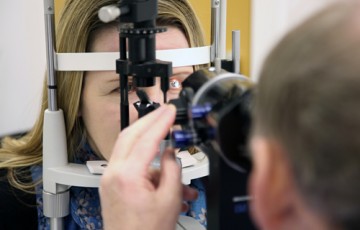
At your consultation, Mr Manoj Mathai, Ophthalmologist, CertLRS, MBBS, DO, MS, FRCS (Edinburgh) will sit down with you and discuss the best way to correct your vision and answer all your questions. This one-to-one time with your treating doctor, as part of your decision making process, is surprisingly rare and is not offered as standard by many of the other laser eye clinics.
When you come for a consultation at Visualase – you talk to your doctor - NOT a salesperson. It is so important and reassuring to you, the patient, that you get this time to meet and talk to your treating doctor.
WHAT OUR CUSTOMERS SAY...
I received excellent patient care and the experience of Dr Doyle was fantastic!
Ian McCawley, Kent